trusted by 25000+ creators






The Challenge With Blender Rendering
Cycles produces stunning results but demands time and hardware. Eevee is fast but not photorealistic enough for architecture clients.
- 1Cycles takes 15–120+ minutes per frame
- 2Needs powerful GPU — ideally NVIDIA RTX
- 3Noise vs time tradeoff requires tweaking
- 4Eevee lacks photorealism for architecture
How to Render Your Blender Project with Armox
Viewport to photorealism in three steps.
01
Export from BlenderQuick Eevee preview or Viewport Render. Material Preview screenshots work too.
02
Upload & GuideFine-tune with prompts for materials, lighting, and environment.
03
Cycles-Quality ResultsPhotorealistic render in 10–30 seconds. Comparable to Cycles at high samples.
Blender Scenes in Cinematic Quality
Blender architecture transformed into photorealistic visualizations.
Industrial Loft Interior
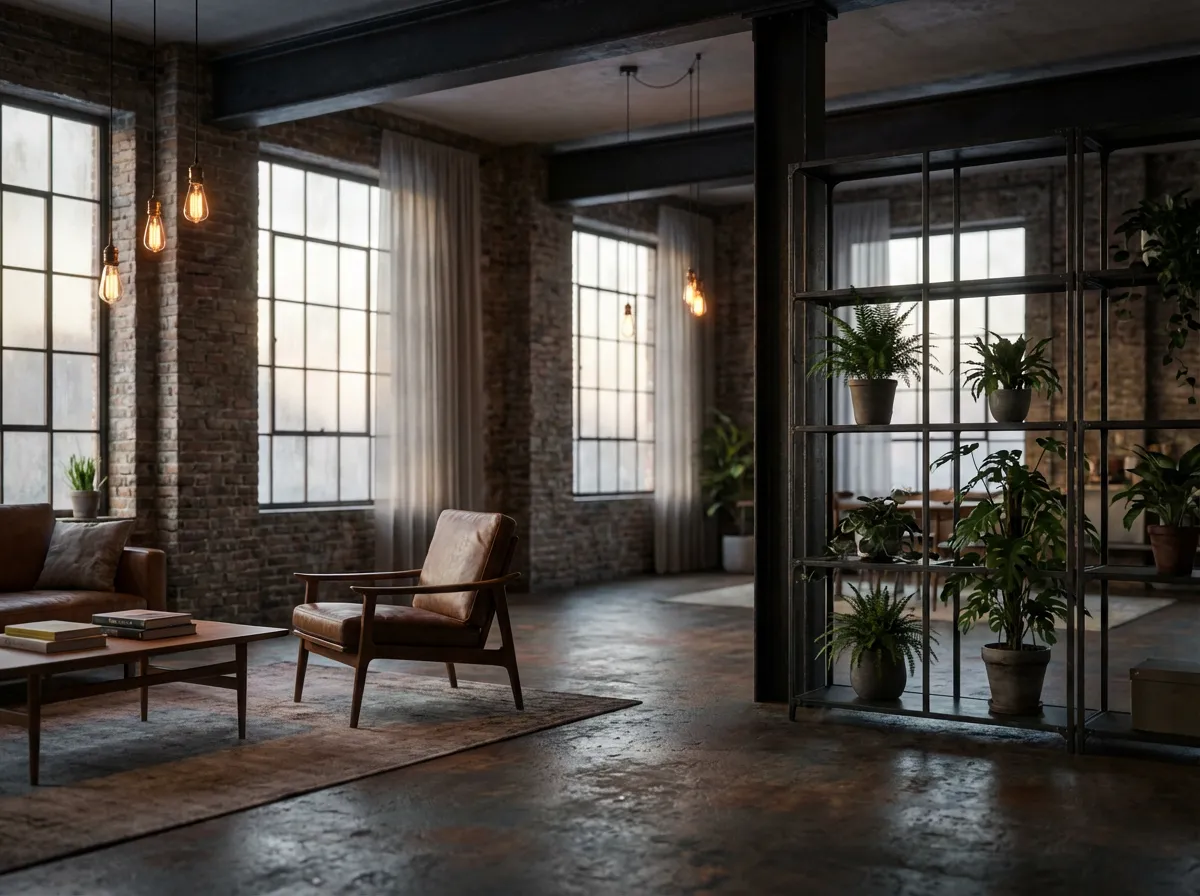
Exposed brick, steel beams, cinematic depth of field.
Sustainable Building
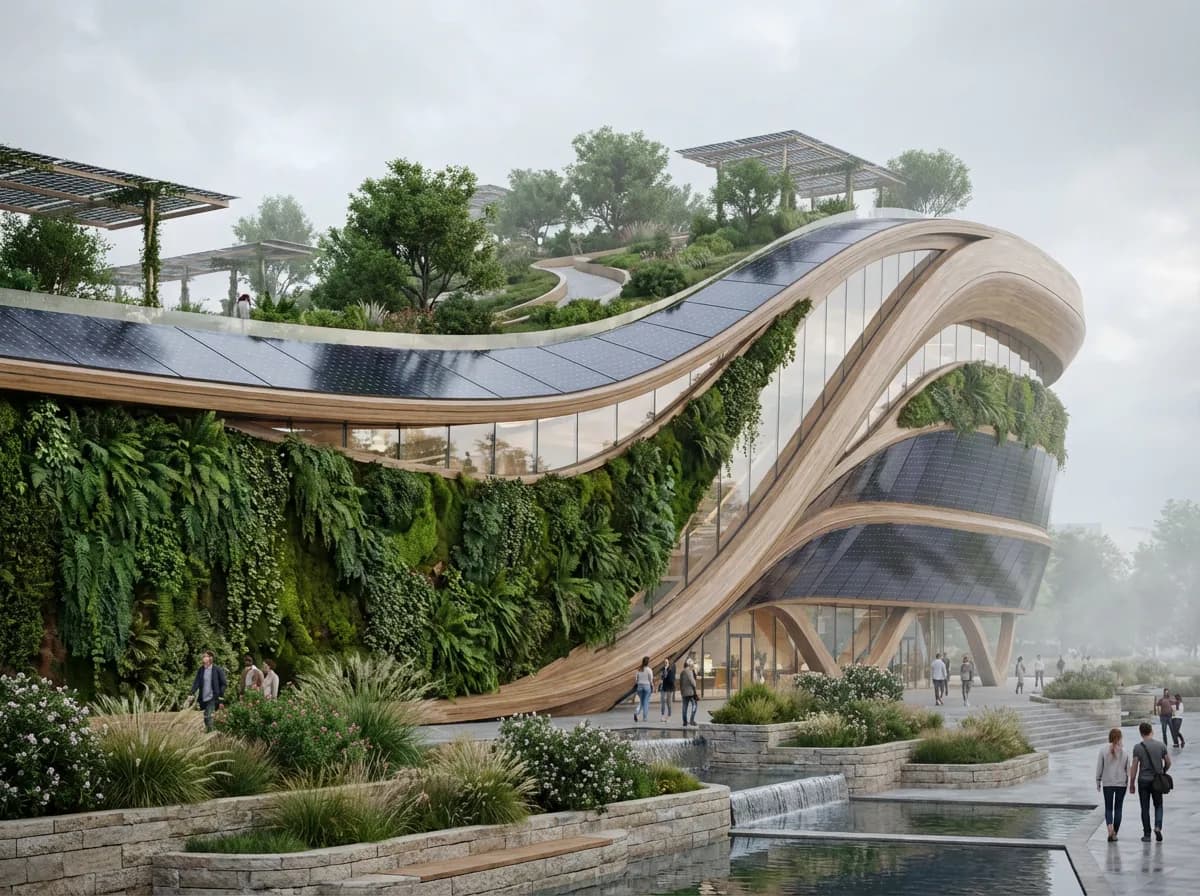
Living walls, solar panels, lush vegetation.
Material Detail Study
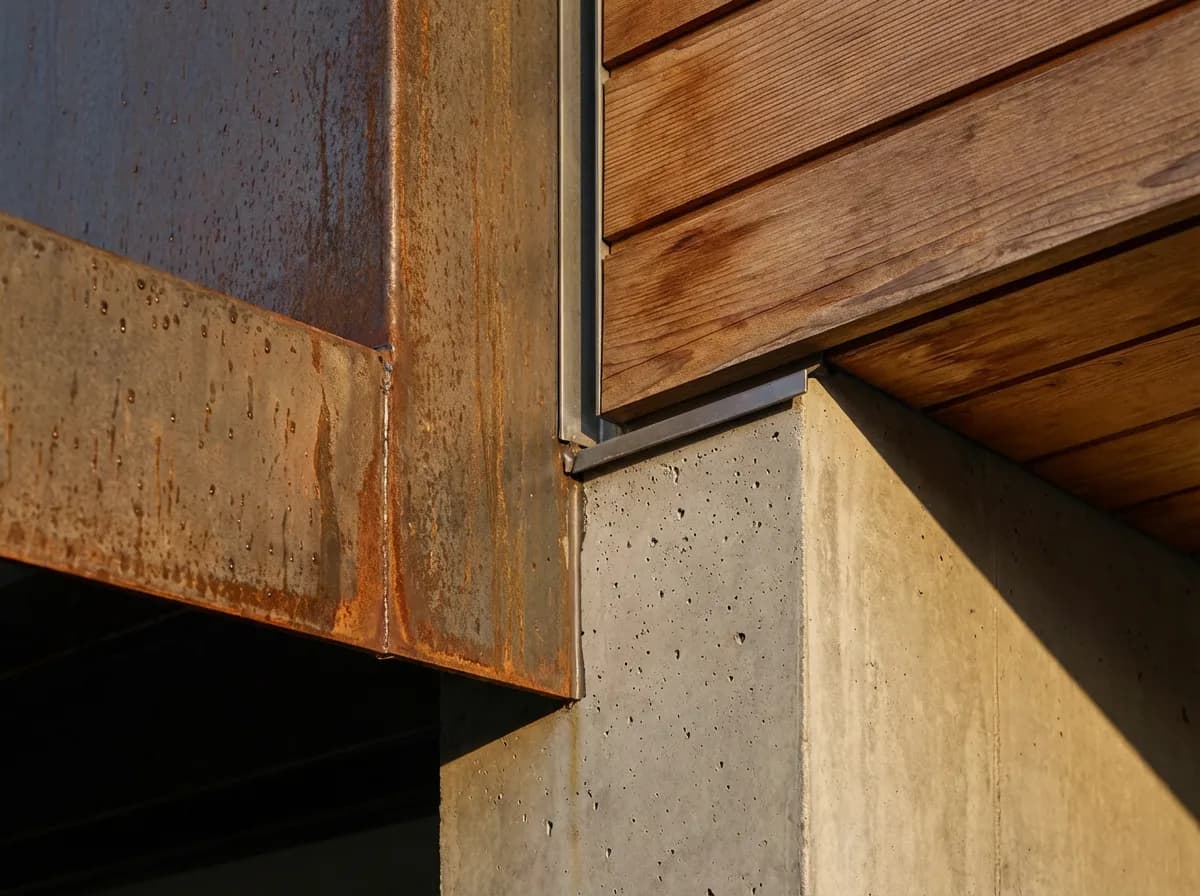
Corten steel, concrete, and cedar material junctions.
Night Architecture
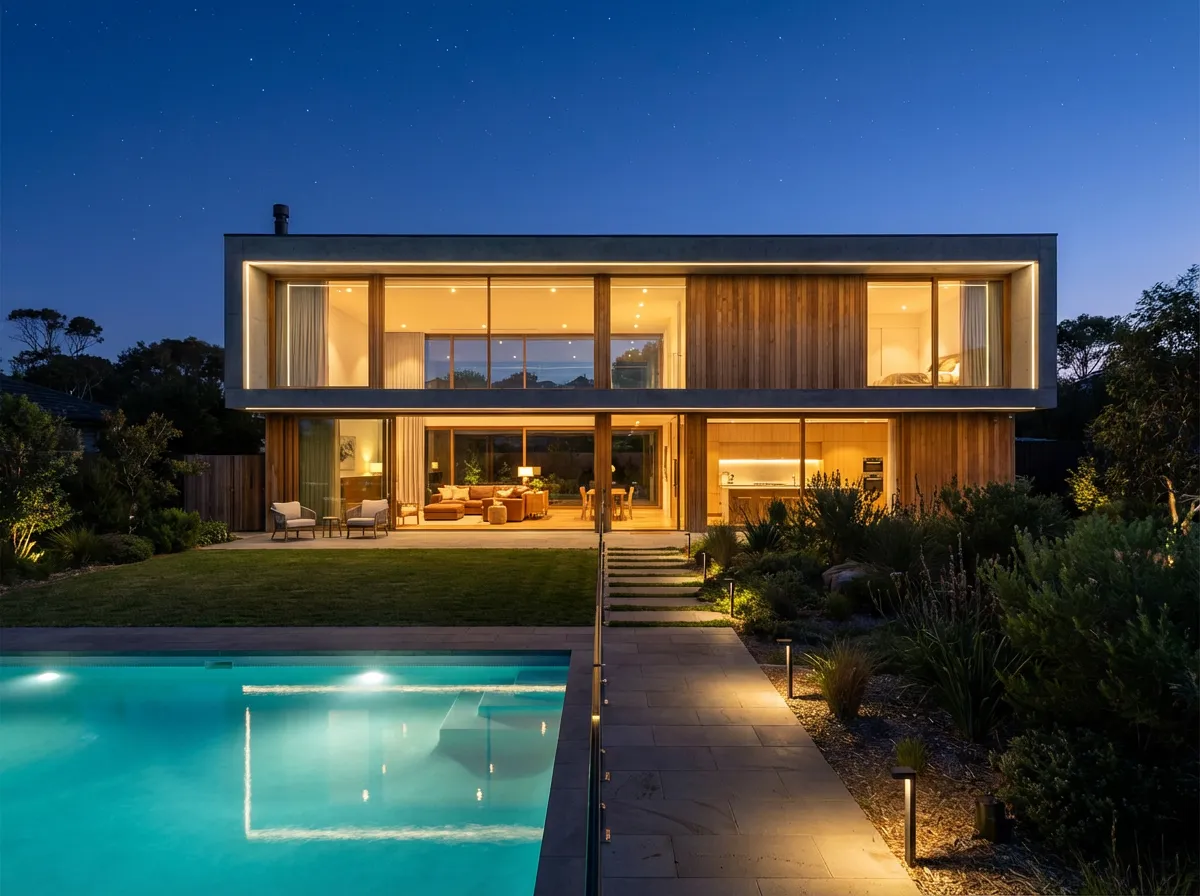
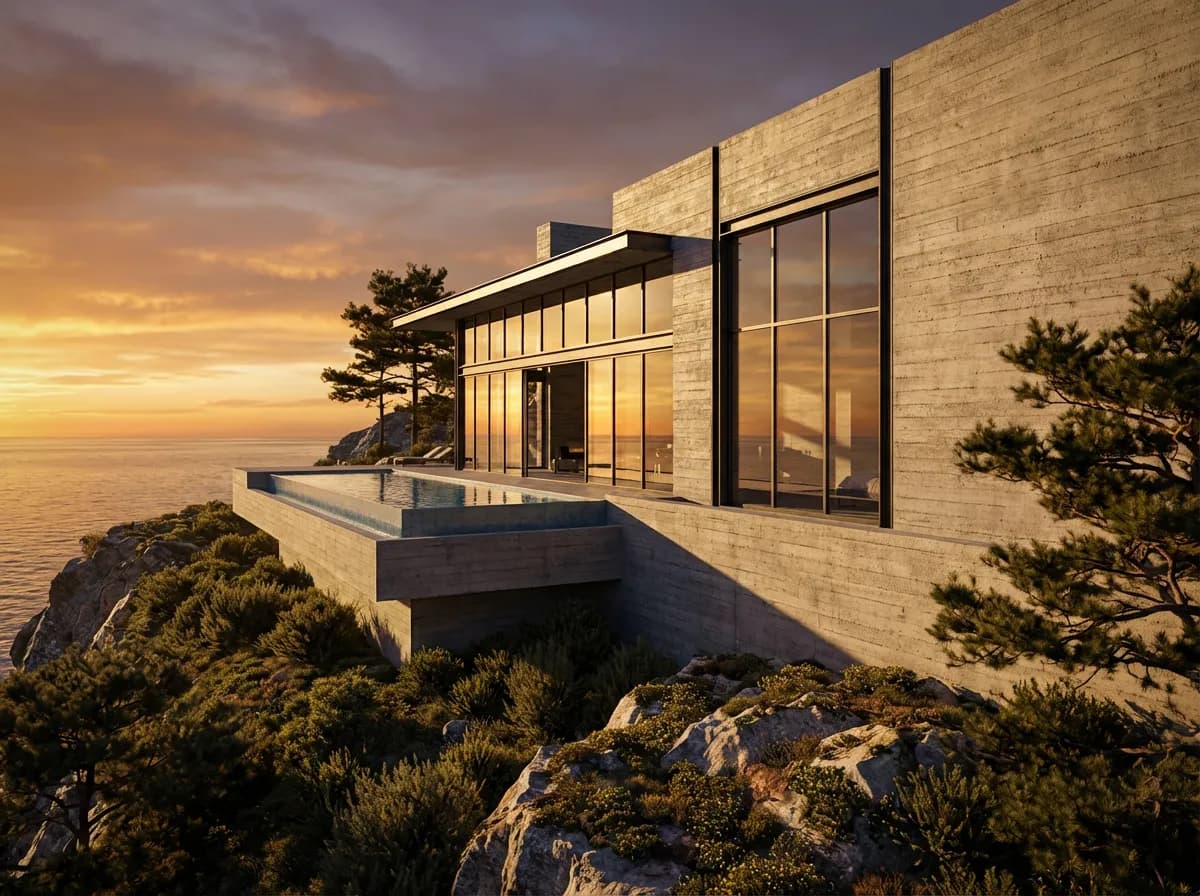
Blue hour with warm interior glow and pool reflections.
Armox vs Cycles
Criteria
Armox AI
Blender Cycles
Render Time
10–30 seconds
15–120+ minutes
GPU
None — cloud
RTX recommended
Noise
AI — noise-free
Denoise = artifacts
Cost
Free tier + per-render
Free software, expensive hardware
Materials
AI-automatic with prompts
Node editor
Quality
Photorealistic, AI-enhanced
Physically accurate (high samples)
Complete Your Blender Workflow
Frequently Asked Questions
AI rendering with Blender
For architecture, visually comparable. Speed difference is massive while quality difference is negligible for presentations.
Either works. Quick Eevee render provides a great starting point.
Interprets visual output. Even basic Principled BSDF is recognized and enhanced.
Yes. Free tier with 1,000 credits + free Blender = zero initial cost.
For keyframes, yes. Video generation can create flyovers from stills — faster than Cycles animation.
Yes. Viewport screenshots are enough to generate photorealistic outputs, making it ideal for fast Blender concept iterations.