
trusted by 25000+ creators







Why Architects Look for Alternatives to Octane Render
Octane Render is renowned for cinematic quality, but hardware requirements and complexity make it impractical for many firms.
- 1Requires NVIDIA CUDA GPUs exclusively — no AMD or Apple Silicon
- 2Complex node-based material system needs significant expertise
- 3Long render times for high-quality scenes, even on powerful GPUs
- 4$24–60/month subscription plus multi-GPU hardware ($2K–10K+)
How Armox Compares to Octane Render
Criteria
Armox AI
Octane Render
GPU Requirement
None — cloud-based
NVIDIA CUDA (exclusive)
Render Time
10–30 seconds
5–60+ minutes
Material Setup
AI-automatic with prompts
Complex node editor
Learning Curve
Minutes
Weeks to months
Platform
Any browser, any OS
NVIDIA GPUs only
Render Quality
Photorealistic, AI-enhanced
Unbiased path-traced
Scaling
Cloud — unlimited
Add physical GPUs
Cost
Free tier + per-render
$24–60/month + $2K–10K+ hardware
Cinematic Quality, Zero Hardware
Render quality rivaling Octane's path tracing for architecture.
Dramatic Interior Lighting
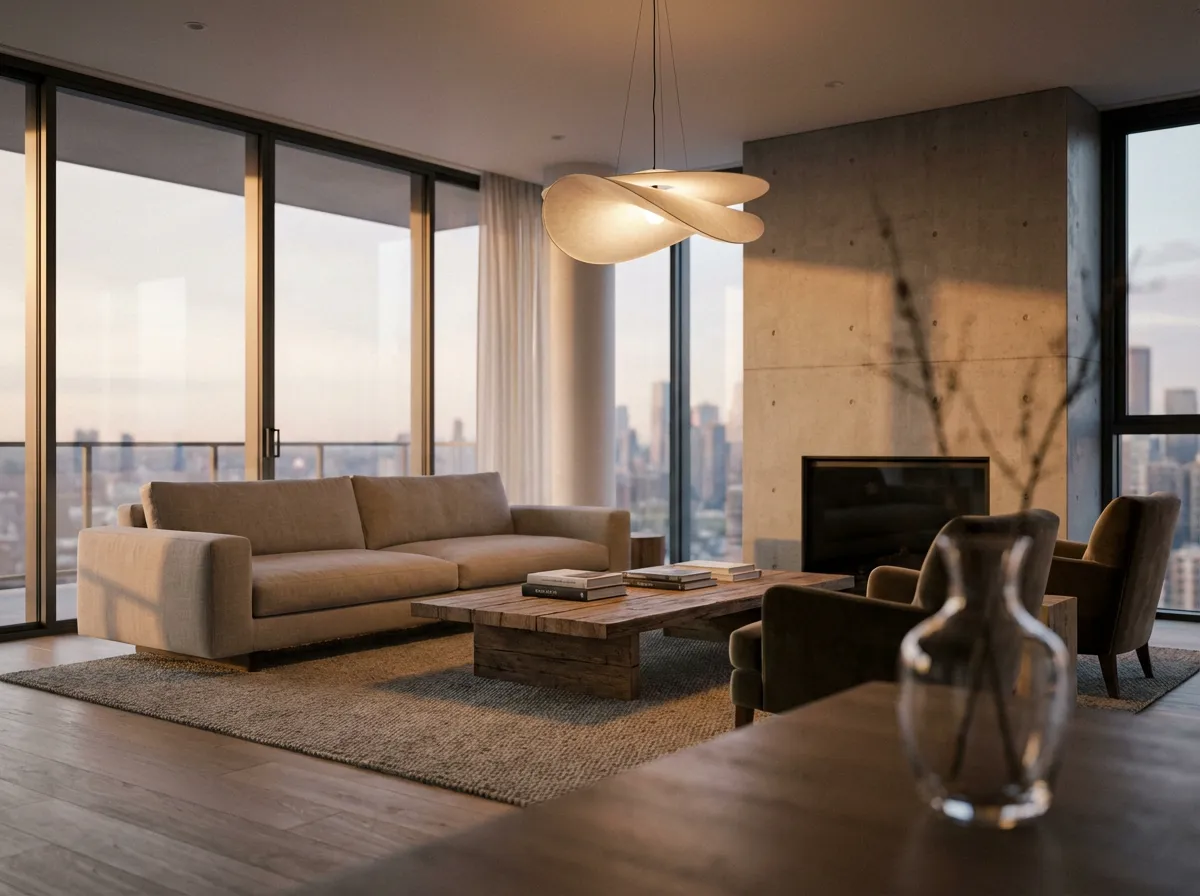
Complex scene with multiple lights, caustics-like reflections, cinematic mood.
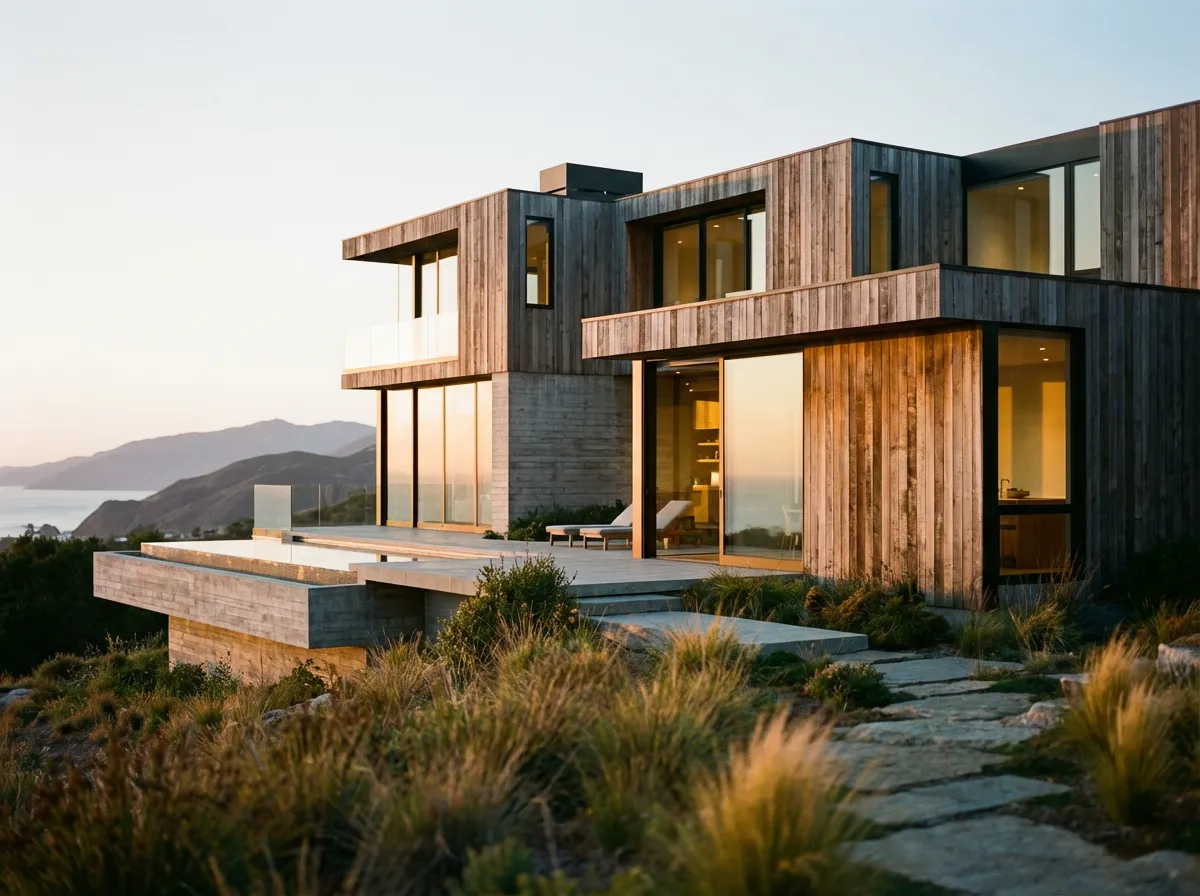
Exterior at Golden Hour
Cinematic exterior with volumetric light and atmospheric depth.
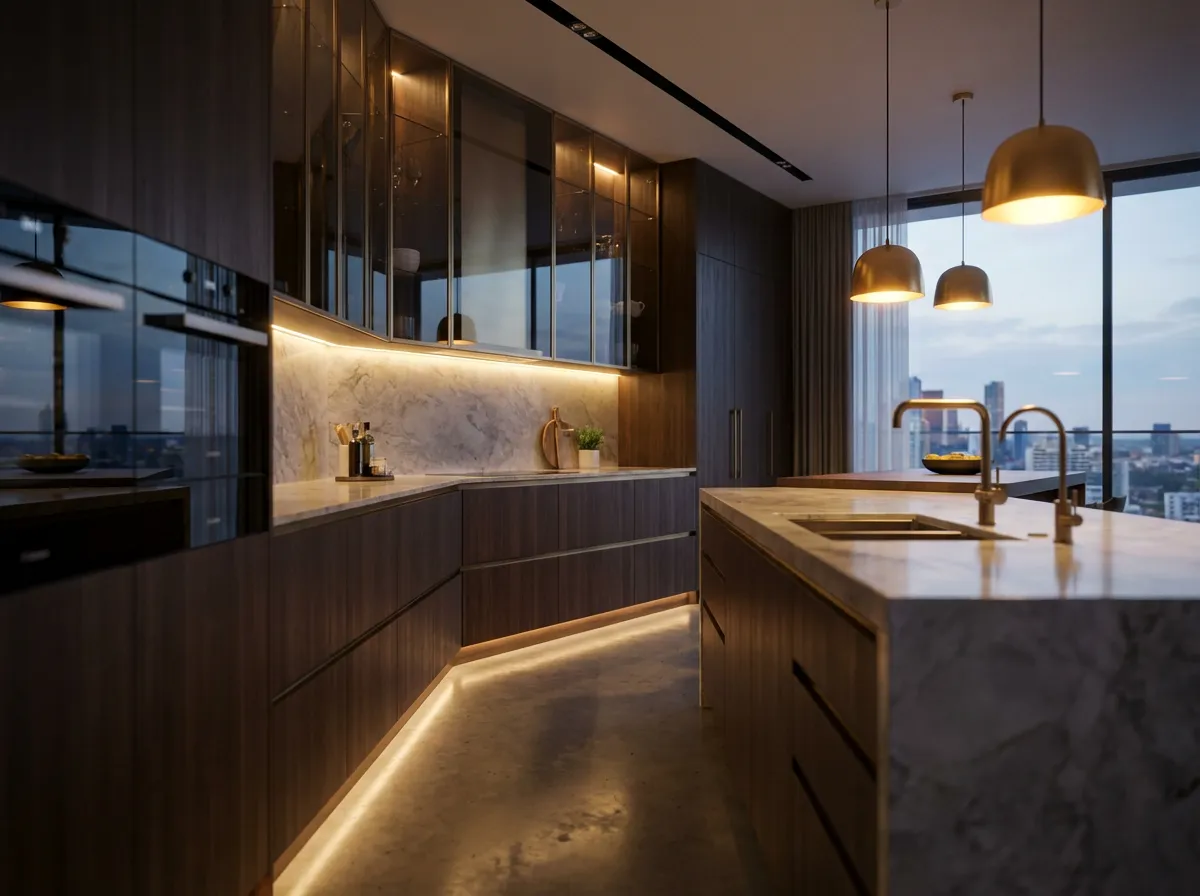
Material Close-Up
Detailed study with reflections, refractions, and surface imperfections.
Night Architecture

Dramatic nighttime render with artistic lighting and deep shadows.
Cinema-Quality Without Cinema-Level Costs
Octane Render
$24–60/month + $2,000–10,000+ GPU workstation
Traditional licensing with annual subscription. Requires dedicated hardware for rendering.
Octane Render Alternative
Questions about switching from Octane to Armox AI
For architecture, results are visually comparable. Clients typically can't distinguish between the two in presentations.
Yes. Export a quick preview from Blender and upload to Armox — simpler than setting up Octane materials.
Armox applies photorealistic materials automatically via AI. Guide with text prompts for precise control.
Yes. Armox renders faster and handles unlimited parallel renders. Many studios use both.
Yes. Unlike Octane (NVIDIA CUDA only), Armox works on any device including M-series Macs.
Absolutely. Many teams keep Octane for specialized shots and use Armox for the majority of fast architectural production renders.